As Vladimir Putin openly thanks North Korea for helping fight Ukraine in Russia’s own backyard, two nuclear-armed dictatorships are knitting together a war alliance that should worry anyone who still believes leaders are supposed to serve their people, not themselves.
Story Snapshot
- Russian President Vladimir Putin met North Korean Foreign Minister Choe Son-hui at the Kremlin and thanked Pyongyang for military support in Russia’s Kursk region.
- Western governments say North Korea has sent around 10,000 to 14,000 troops and large amounts of artillery and missiles to aid Russia’s war effort.
- Putin and Kim Jong Un have signed a strategic pact promising mutual military support if either faces “aggression,” deepening their authoritarian alignment.
- Russia and North Korea deny key details or stay vague, leaving citizens worldwide dependent on opaque intelligence claims rather than clear evidence.
Putin’s Kremlin Meeting Signals Open Gratitude for North Korean War Support
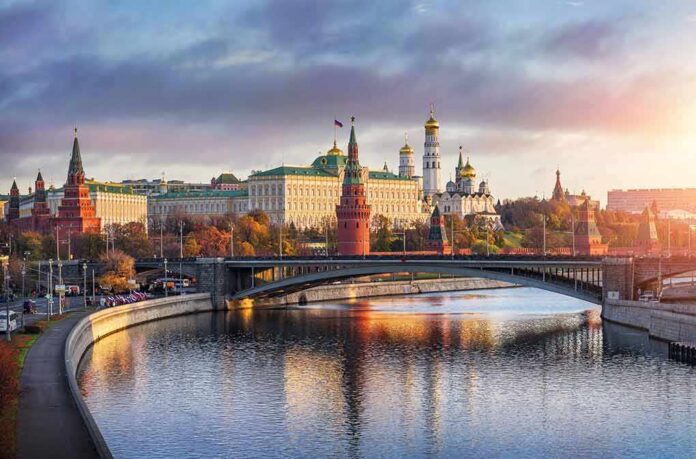
Russian President Vladimir Putin hosted North Korean Foreign Minister Choe Son-hui at the Kremlin, in yet another sign that Moscow and Pyongyang are drawing closer in the middle of the Ukraine war. Russian and North Korean reports say the meeting focused on strengthening cooperation and “strategic partnership” between the two countries. At the session, Putin personally thanked North Korea’s leadership and people for supporting Russia’s military operations, including help repelling a Ukrainian incursion in the Kursk region on Russia’s western border.
North Korean state media says Choe Son-hui’s visit included talks with Russian Foreign Minister Sergei Lavrov, where the sides agreed on all points during strategic discussions about global issues and bilateral cooperation. The Kremlin’s account is short on specifics but highlights Putin’s praise for “bilateral relations” and his public expression of gratitude for Pyongyang’s wartime support. This language moves the relationship from quiet backroom deals toward more open celebration of military teamwork between the two sanctioned regimes.
Troop Numbers and Weapons: What Intelligence Agencies Say, What Dictators Deny
United States officials report that North Korea has dispatched about 10,000 soldiers to Russia, with roughly 8,000 stationed in the Kursk region where Russian forces have fought Ukrainian units since last year. South Korean and Ukrainian assessments put the total higher, pointing to roughly 14,000 North Korean troops deployed under a mutual defense pact to fight alongside Russian units in Kursk. Western analysts also accuse Pyongyang of shipping artillery, ballistic missiles, and millions of rounds of ammunition to fuel Russia’s war.
North Korea and Russia have long denied some of these claims or tried to keep them fuzzy, even as evidence has mounted. Moscow often says its cooperation with Pyongyang follows international law but avoids directly confirming troop numbers or frontline roles. For many Americans used to broken promises at home, this pattern feels familiar: powerful actors share only what suits them, and citizens must trust intelligence leaks they cannot independently verify. The gap between what governments say in public and what they admit in private feeds deep suspicion on both the left and the right.
Formal Defense Pact Locks In Authoritarian Military Alliance
Earlier in the war, Putin and North Korean leader Kim Jong Un signed a Comprehensive Strategic Partnership Agreement that pledges mutual aid if either country faces “aggression.” This pact goes beyond friendly words and turns their relationship into a formal defense arrangement, with explicit room for security and even military-technical cooperation. In plain terms, if one regime claims it is under attack, the other has promised to step in, making their partnership a tool for keeping both leaders in power against outside pressure and internal unrest.
Analysts say North Korea is likely trading soldiers and ammunition for food, fuel, and advanced technology that can strengthen its nuclear and missile programs. Russia, struggling with manpower and sanctions, gains extra troops and shells to keep its war economy running. For everyday people in both countries, this looks less like protecting citizens and more like two isolated rulers helping each other dodge accountability. Around the world, many see it as another example of elites using foreign deals to hold onto power while ordinary families deal with inflation, energy costs, and insecurity.
Information Gaps and Narratives Feed Global Distrust of Governments
One major problem is how little hard, public evidence exists about North Korean soldiers on the ground in Russia, even as intelligence agencies talk about thousands of deployed troops. There are few named eyewitnesses, no widely verified frontline photos, and limited independent reporting from the Kursk region, which remains a dangerous war zone. Instead, most details come from government briefings, anonymous sources, and carefully edited state media clips, leaving citizens across the political spectrum forced to choose which powerful institution they believe.
North Korea foreign minister met Russian President Putin in Moscow on July 19: KCNA
— FinancialJuice (@financialjuice) July 20, 2026
Western outlets highlight “growing international concern” over the Russia–North Korea partnership, while Moscow and Pyongyang frame it as lawful cooperation against hostile outsiders. This clash of narratives fits a wider pattern in today’s world: authoritarian states trade military support to survive, democracies warn of rising threats, and regular people in all countries feel trapped between propaganda and partial truths. For Americans already frustrated with the “deep state,” bureaucrats, and party elites, the opaque nature of this alliance only adds to the sense that global decisions are made far above their heads, with little honesty and even less accountability.
Sources:
military.com, aa.com.tr, scmp.com, internazionale.it, anews.com.tr, en.kremlin.ru, youtube.com, uk.news.yahoo.com, abcnews.go.com