
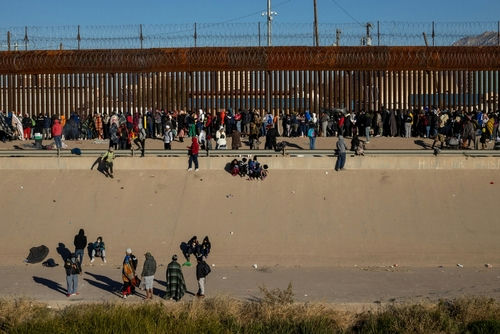
Two previously deported meth traffickers were found hiding in California drainage tunnels with 17 others, highlighting the ongoing danger of porous border corridors and recycled criminal entry [2][1].
Story Highlights
- Border agents arrested 19 people in a drainage tunnel system near the U.S.–Mexico line [2].
- Two detainees were previously deported brothers with drug-trafficking convictions tied to methamphetamine, according to reporting [2][1].
- The concealment in drainage infrastructure underscores covert smuggling tactics at the border [2].
- Lack of named suspects and primary arrest records limits outside verification beyond media summaries [1][2].
Agents Interdict 19 People Inside Border Drainage Tunnels
Local reporting states that United States Customs and Border Protection agents arrested 19 people found inside a drainage tunnel system near the border in California. Coverage describes the group as hiding within the tunnels at the time of the encounter, indicating an intentional attempt to avoid detection rather than a routine apprehension in open terrain [2]. The incident adds to a record of covert use of underground or concealed infrastructure along the San Diego corridor, where law enforcement has documented smuggling activity in confined spaces over time [2][3].
Reporters note that within the group were two brothers previously deported from the United States who have drug-trafficking convictions connected to methamphetamine. The accounts do not provide names, case numbers, or charging jurisdictions, which limits independent confirmation of the criminal histories beyond the cited outlets [2][1]. Even so, the narrative of criminal recidivism through repeat illegal entry is supported by the reporting’s plain statement that both men had been removed before and returned illegally to hide in tunnels [2].
Border Patrol agents arrested 19 migrants, including two previously deported brothers with drug trafficking convictions, after spotting them hiding in a drainage tunnel system near the U.S.-Mexican border in San Diego https://t.co/it7BLv4PRb
— KESQ News Channel 3 (@KESQ) May 20, 2026
Drainage Infrastructure as a Smuggling Conduit
Border Patrol veterans routinely warn that smugglers exploit storm drains, utility conduits, and purpose-dug tunnels because these routes offer concealment and rapid movement beneath neighborhoods and ports of entry. The United States Border Patrol’s San Diego Sector has publicized tunnel interdiction methods and phases, underscoring how small teams map, monitor, and disrupt these corridors to protect communities from drug and human smuggling threats [3]. The latest arrests fit that pattern: underground concealment, group transit, and a mix of immigration and criminal histories within a single apprehension [2][3].
The fact pattern aligns with repeat-entry risk. Previously deported offenders who return make clear the stakes: soft spots in the system invite higher-risk actors to try again, often guided by smuggling organizations that treat human beings as inventory and infrastructure as an accessory to crime. A drainage tunnel is not a humanitarian passage; it is a tactical space chosen because it frustrates surface patrols and sensors. When agents find nearly twenty people underground, it signals organized movement, not chance congregation [2][3].
What We Know, What We Do Not, and Why It Matters
The strongest verified details are the location, the number detained, and the report that two brothers had prior deportations and meth-trafficking convictions [2][1]. The open gaps are also important: no public names, no docket citations, and no primary incident report have been produced in the provided materials, which limits external review of the convictions and timelines [1][2]. That evidentiary gap does not erase the arrests; it cautions readers to distinguish confirmed facts from broader claims until agency documents are released.
NEW: Border Patrol agents in San Diego arrested 19 Mexican nationals hiding inside a drainage tunnel system near the border —Including two previously deported brothers convicted of meth trafficking in California—According to @CBP
Agents with the Chula Vista Station say Remote… pic.twitter.com/Zfk6zprO2U
— Ali Bradley (@AliBradleyTV) May 18, 2026
For border security and community safety, the policy signal is straightforward. Covert corridors must be mapped, hardened, and denied to smugglers; repeat illegal entry by convicted traffickers must trigger swift prosecution and removal under existing law. Conservative principles favor the rule of law, protected neighborhoods, and accountable government. That means demanding transparent records from federal agencies, backing tunnel interdiction units with resources, and closing loopholes that let deported felons gamble on another underground run [2][3][1].
Sources:
[1] Web – Previously Deported Meth Traffickers Found Hiding In California …
[2] Web – 19 suspected migrants arrested in drainage tunnel system near border
[3] YouTube – Discovering Hidden Smuggler Tunnels Inside Buildings | USBP | CBP