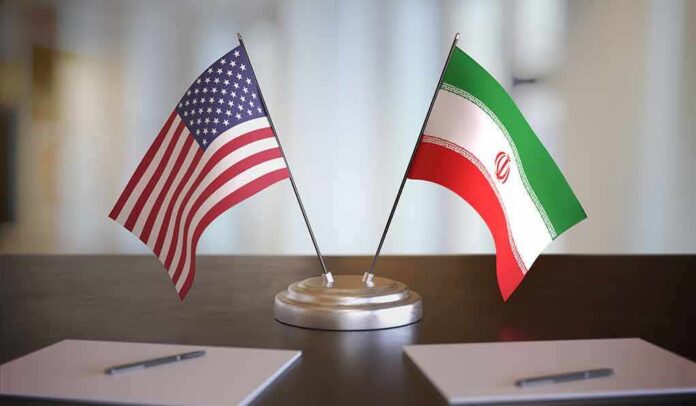
Iran’s message is not that diplomacy is impossible in the abstract; it is that any meaningful bargain with Washington now runs through the calendar, the Strait of Hormuz, and a deep refusal to reward pressure before Donald Trump’s term ends in 2029.
Intro Header
- The public dispute is narrower than it sounds: Iran is rejecting direct negotiations with Trump, not denying that messages still move through intermediaries.
- Tehran’s current posture is conditional, not merely theatrical; officials repeatedly tie any return to talks to U.S. concessions on sanctions, compensation, and prior commitments.
- The difference between “talks,” “negotiations,” “direct,” and “indirect” is the whole story here, because Iranian diplomacy treats those terms as distinct tools rather than synonyms.
- The claim that Iran will simply wait until 2029 is best read as a hardening of strategy, not as proof of a signed policy document shutting the door until that date.
Why Tehran Is Drawing a Line at Trump’s Presidency
The core of the reporting is straightforward: Iranian officials have publicly ruled out direct negotiations with the Trump administration for now, while signaling that any real engagement would have to wait until Trump leaves office in January 2029. That is a stronger posture than a routine diplomatic snub. It reflects a belief in Tehran that Trump’s use of coercive leverage—sanctions, military threats, and public ultimatums—makes negotiations less like bargaining and more like submission. In that sense, the 2029 framing is both political and strategic: it tells domestic audiences that Iran will not validate pressure, and it tells Washington that time itself has become part of Tehran’s negotiating theory.
This is also consistent with the long Iranian habit of separating public refusal from private channel maintenance. AP and NPR reported that President Masoud Pezeshkian rejected direct talks after Trump’s letter, but also left room for indirect contacts. Reuters later reported that Foreign Minister Abbas Araghchi said messages were being exchanged through intermediaries, and that this did not amount to negotiations with the United States. That distinction matters. In Iranian diplomacy, “no negotiations” can still coexist with mediation, message delivery, and conditional testing of the other side’s terms. The public line is hard; the channel logic remains deliberately softer.
What Iran Is Actually Saying About Negotiations
The most useful way to read the Iranian position is to strip away the rhetoric and follow the verbs. Iranian officials are not saying “we will never communicate.” They are saying “we are not currently negotiating,” “we are not prepared for direct talks,” and “messages are still being exchanged through intermediaries.” That language has appeared repeatedly across reports from AP, NPR, Reuters, and other outlets covering the dispute. It is a refusal, but not a severance. It preserves leverage by leaving the door technically ajar while making the threshold expensive.
Tehran’s conditions reinforce that reading. Bloomberg reported that Iran said Washington must meet Tehran’s conditions before talks on the Strait of Hormuz and oil exports can move forward, while Daily Sabah quoted Iranian officials saying they saw no reason to negotiate after earlier attacks. That is classic conditional diplomacy: the other side may speak, but only after it changes behavior in ways that would amount to a concession. In practice, this means Iran is trying to turn the precondition game back onto Washington, forcing the U.S. to pay before it can even reopen the subject.
Why the “Wait Until 2029” Line Resonates
The 2029 claim is powerful because it compresses a larger truth into a single date. It suggests that Tehran sees Trump not as a temporary negotiating partner but as a structural obstacle to agreement. Moneycontrol reported Iranian media saying adviser Majid Shakeri told reporters, “Trump will not reach an agreement with us. We will accompany him until his term ends,” and framed the stance as a willingness to wait out the presidency rather than chase a deal on terms Iran considers unacceptable. That is not the same as a formal policy decree, but it is enough to describe the current mood: strategic patience, hardened by repeated public clashes and by the belief that Trump’s bargain style is too volatile to trust.
This is where the claim becomes more than slogan. In a volatile conflict environment, waiting can be a tactic of denial, not passivity. If Iran expects the U.S. administration to keep pressing for rapid concessions, then time becomes a defensive weapon. Every month that passes without a bargain is a month in which Trump’s leverage may weaken, regional conditions may shift, and side-channel diplomacy may continue without producing the political symbolism of a direct meeting. Reuters has described Iran as reviewing U.S. proposals while saying no deal is imminent; that pattern fits a state that wants to preserve options without conceding momentum.
The Real Counterpoint: Indirect Contact Is Not Nothing
The strongest check on the headline claim is that it overstates closure. Side B’s best evidence is not that Iran is eager for direct talks; it is that the communication structure has not disappeared. AP and NPR both reported that Pezeshkian preserved indirect negotiations as a possibility, and Reuters reported that messages were still being exchanged through intermediaries. NPR also reported that Iran’s foreign ministry said it was talking with Oman about the Strait of Hormuz while denying direct talks with the United States. That means the cleanest version of the claim—“Iran will not negotiate with Washington again until 2029”—is too absolute. What the evidence actually supports is narrower: Iran is refusing direct negotiations with Trump, while preserving mediated contacts and leaving its future posture contingent on U.S. behavior.
That nuance is not pedantry; it is the operating logic of this diplomacy. In the Iran-U.S. file, public denials often coexist with tactical messaging, and the disagreement is frequently about whether a channel counts as “talks” rather than whether contact exists at all. If one ignores that semantic layer, the story looks contradictory. If one understands it, the contradiction largely dissolves. Iran can be simultaneously rejecting the image of a bilateral negotiation and sustaining the machinery of indirect bargaining. That is exactly what the reporting, taken together, shows.
Breaking || Trump demands compensation from Iran.
⮞ Trump: Iran must pay for regional damage
⮞ Trump links Iran talks to compensation
⮞ Trump rejects Iran compensation demand
⮞ Trump: Iran should compensate victims@akankshaswarups & @anchoramitaw with details. pic.twitter.com/98QWyjStEm
— TIMES NOW (@TimesNow) August 11, 2026
What This Means Going Forward
The practical implication is that Trump and Tehran remain in a familiar standoff: both sides want leverage, both sides want to shape public perception, and both sides know that regional escalation can raise the cost of miscalculation. Iran’s public refusal increases the political cost of any U.S. claim that a breakthrough is close. Trump’s public assertions, by contrast, force Tehran either to deny them or risk appearing to validate American terms. That dynamic rewards ambiguity, not clarity, which is why the mediated channel matters so much. It lets messages move even when the politics of a handshake remain toxic.
For readers trying to understand the 2029 framing, the safest reading is this: Iran is not announcing the permanent end of diplomacy with the United States; it is announcing that it will not grant Trump the prestige of direct negotiations on favorable terms, and that any serious opening likely has to wait until the current political cycle is over. The difference between those two statements is the difference between a headline and the machinery beneath it. In this file, the machinery is what matters.
Sources:
pjmedia.com, bloomberg.com, apnews.com, aljazeera.com, nbcnews.com, moneycontrol.com, cnbc.com, youtube.com, npr.org